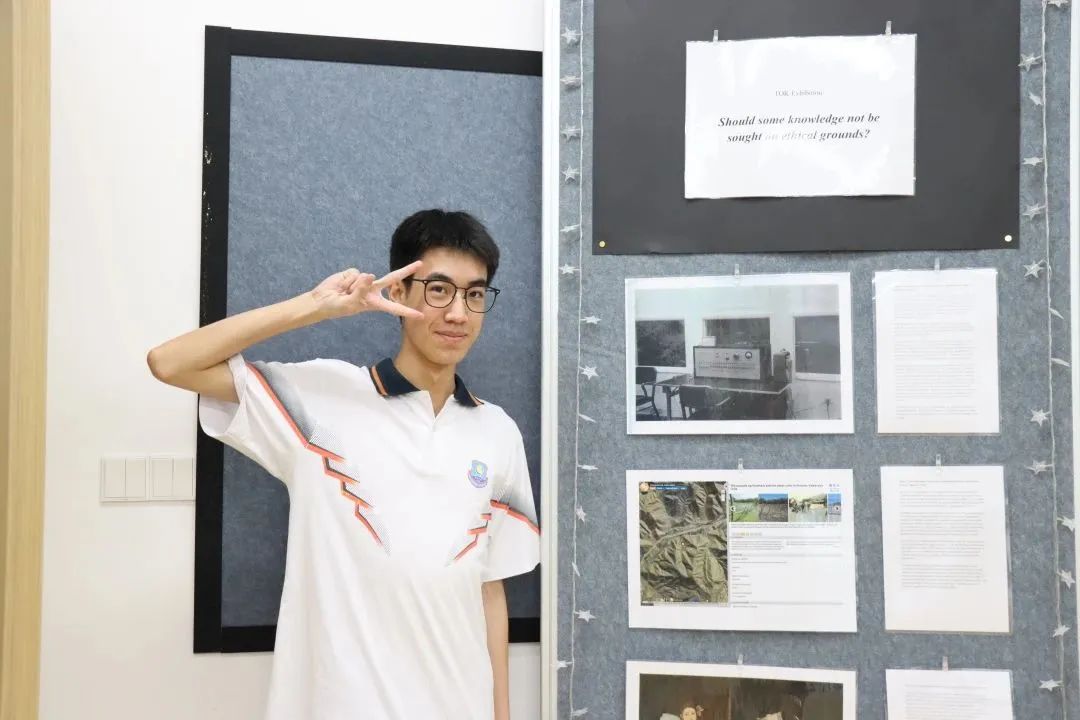
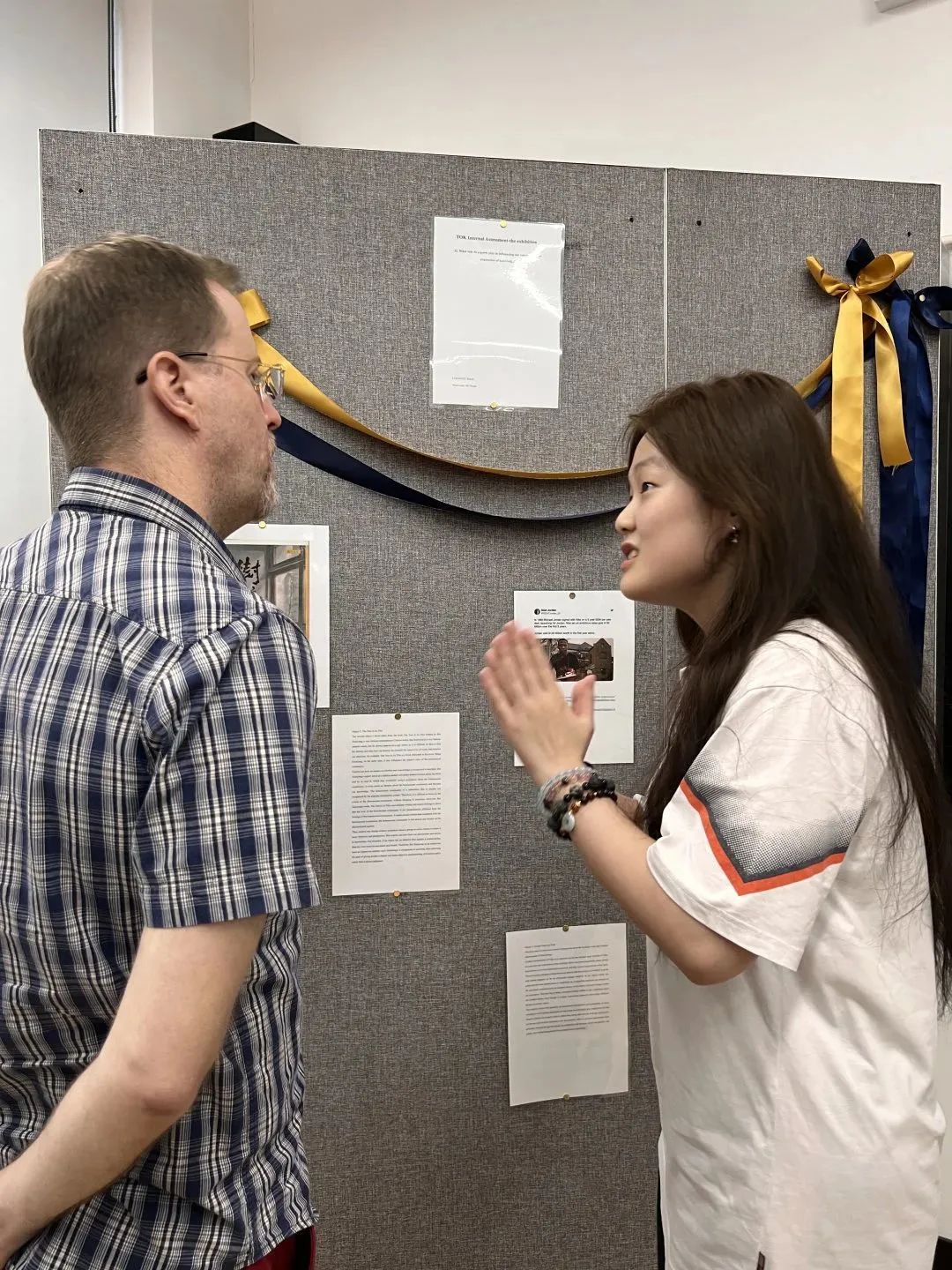
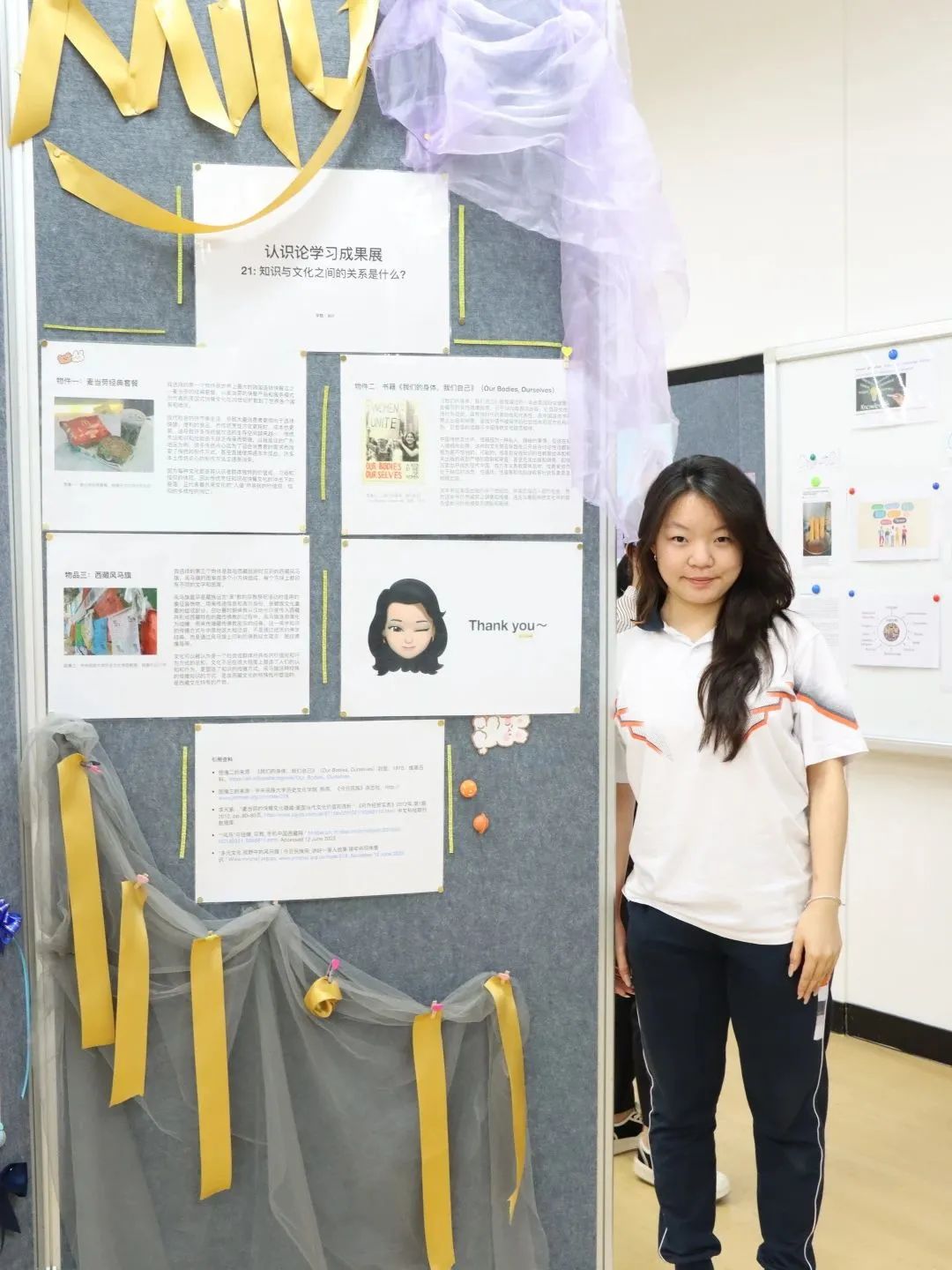
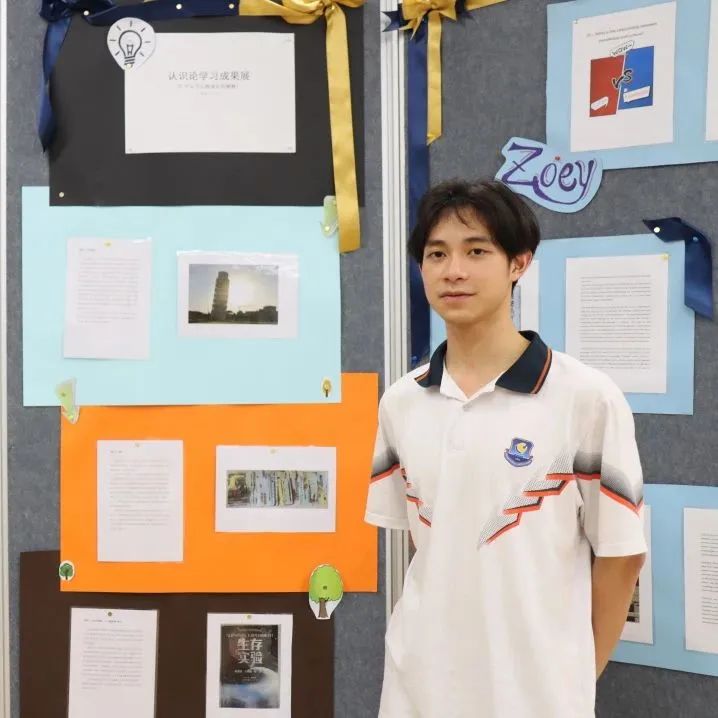
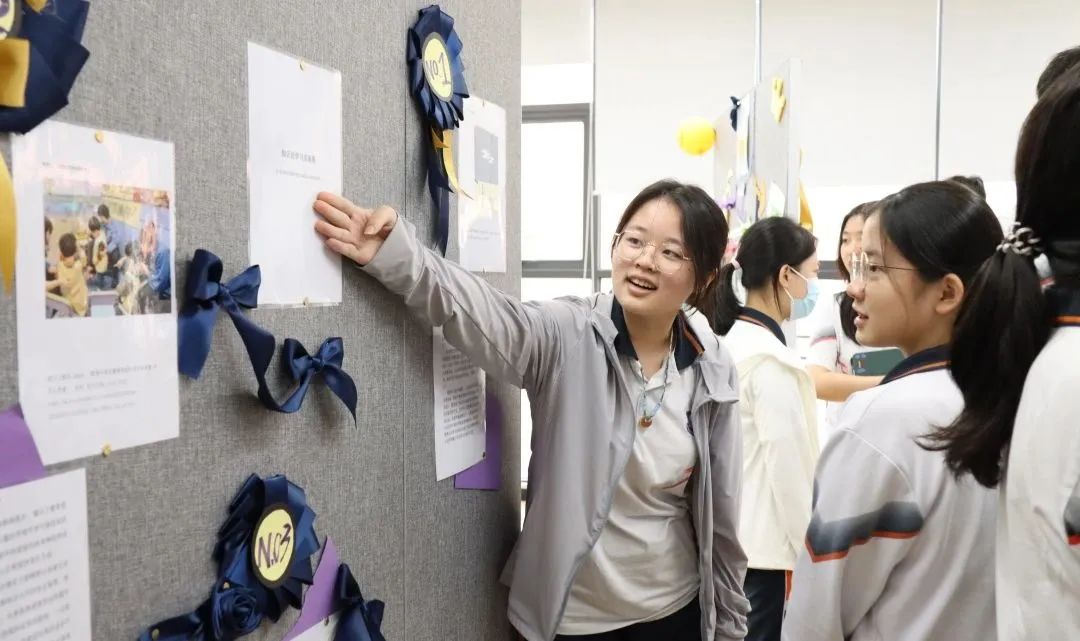
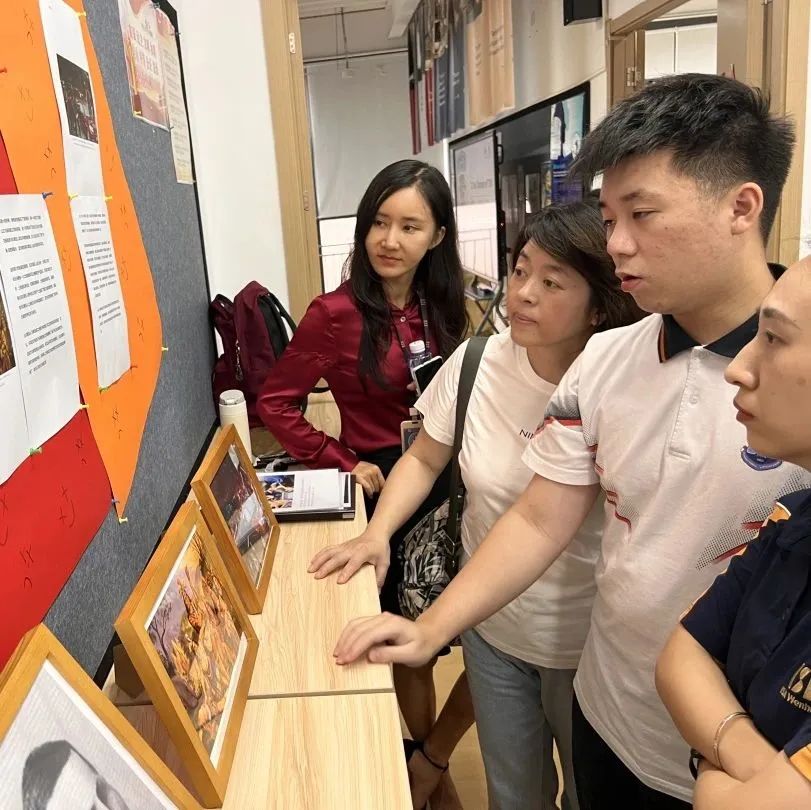
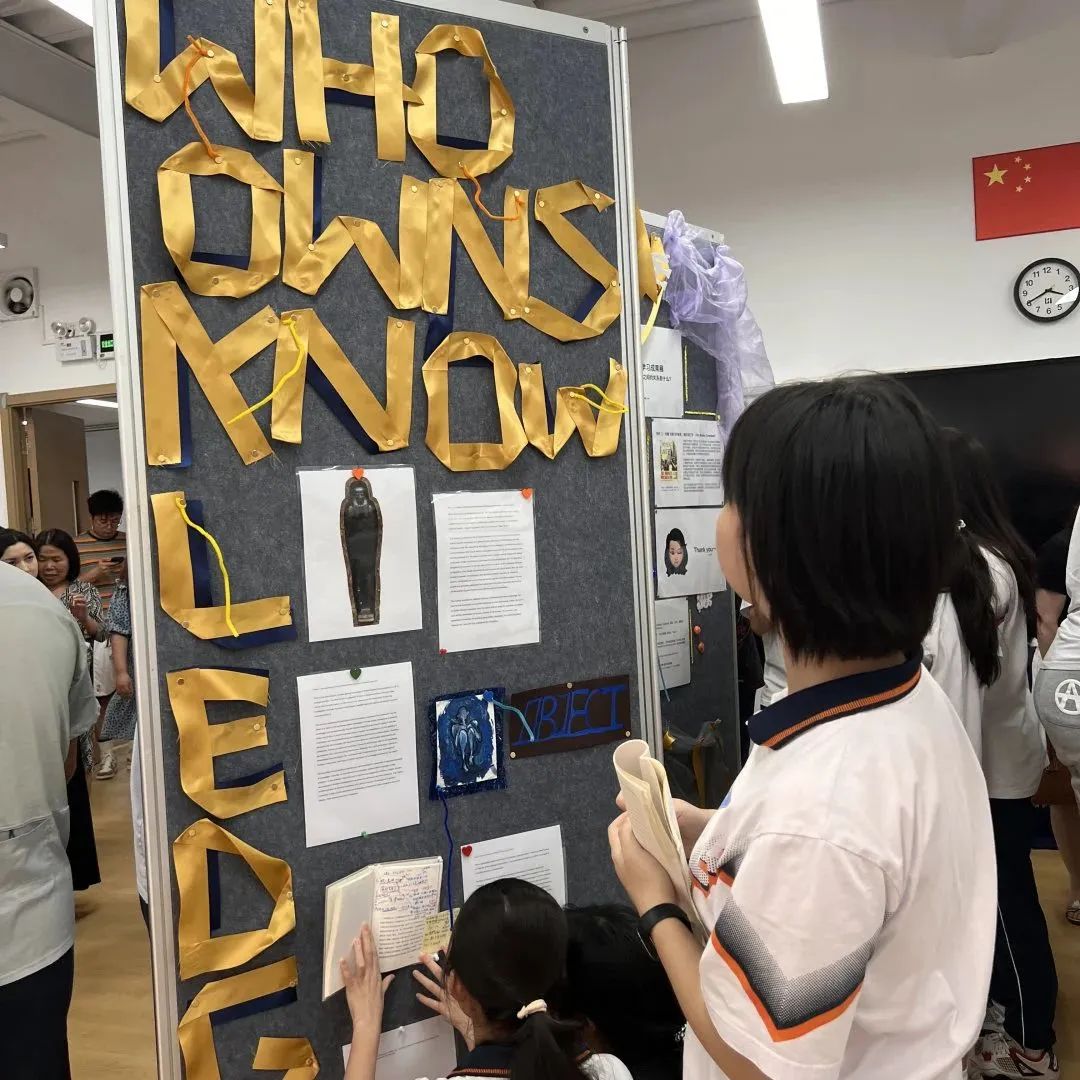
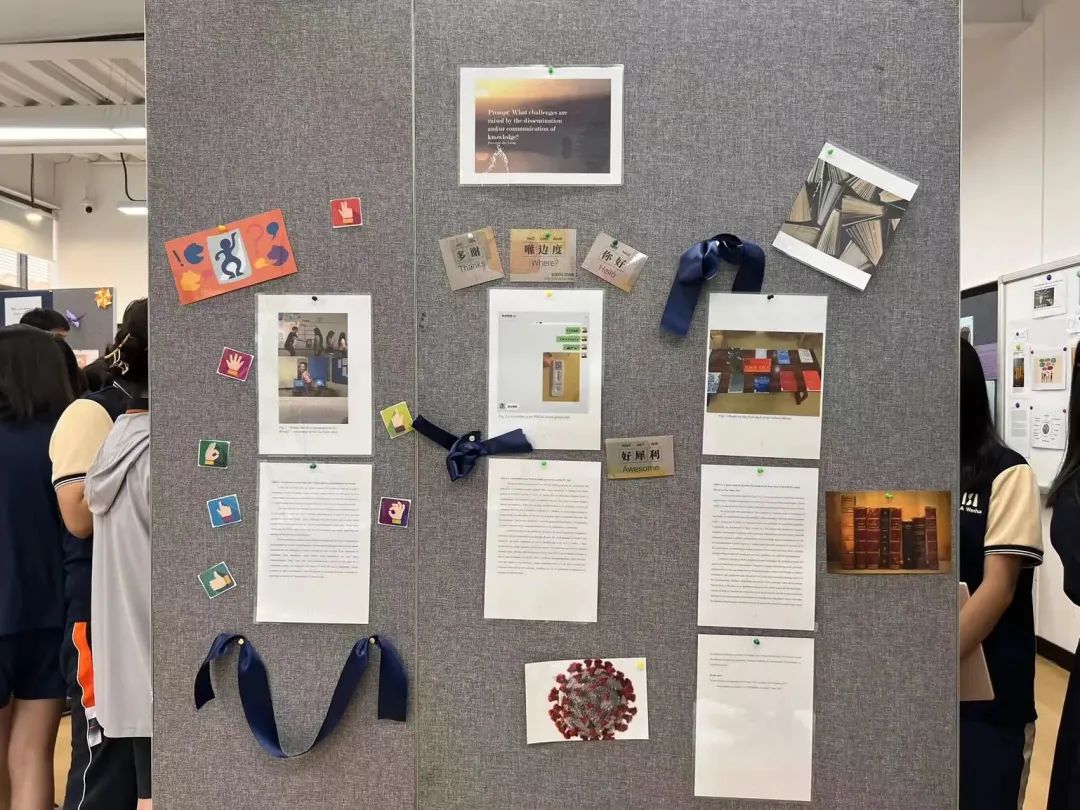
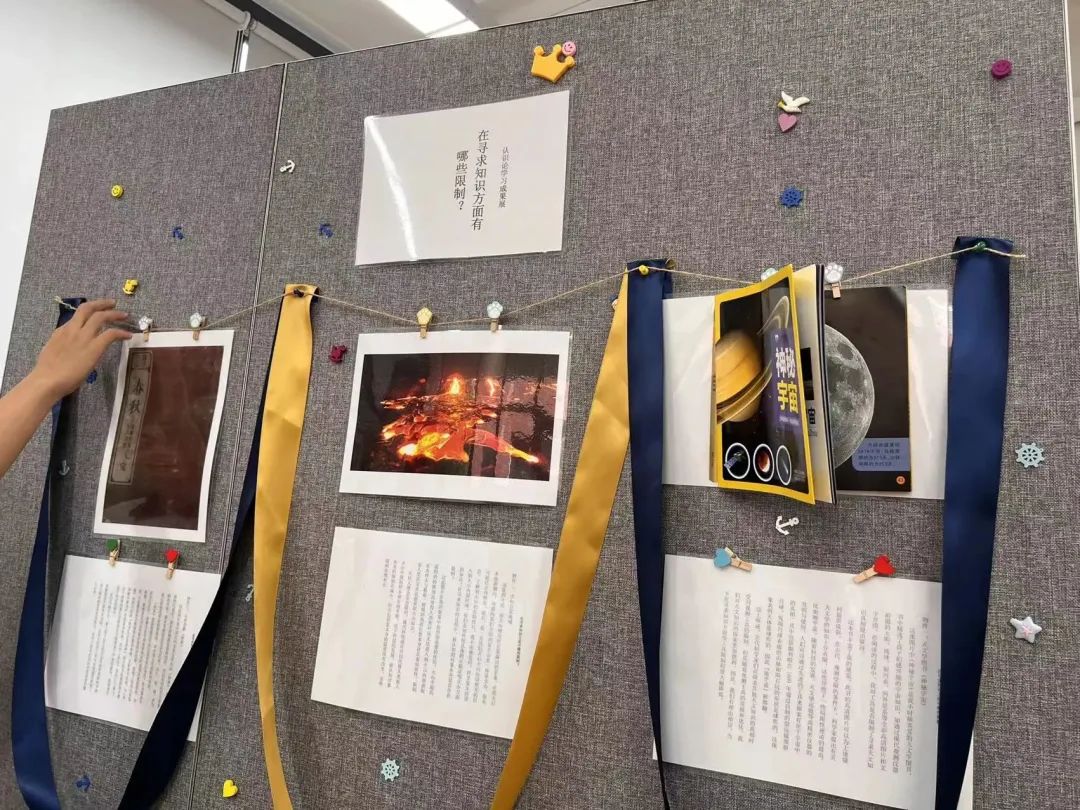
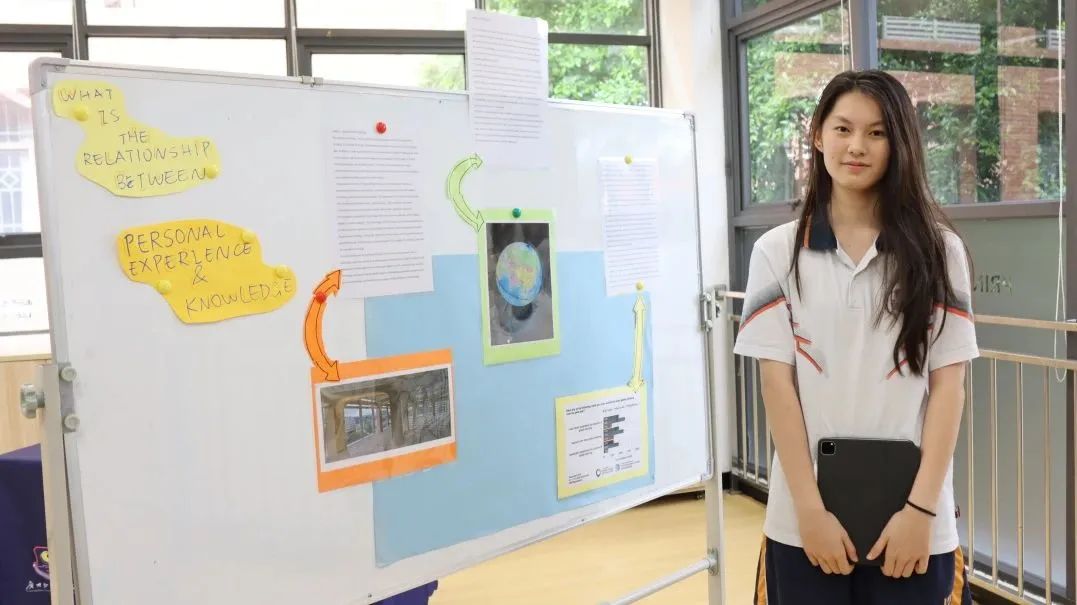
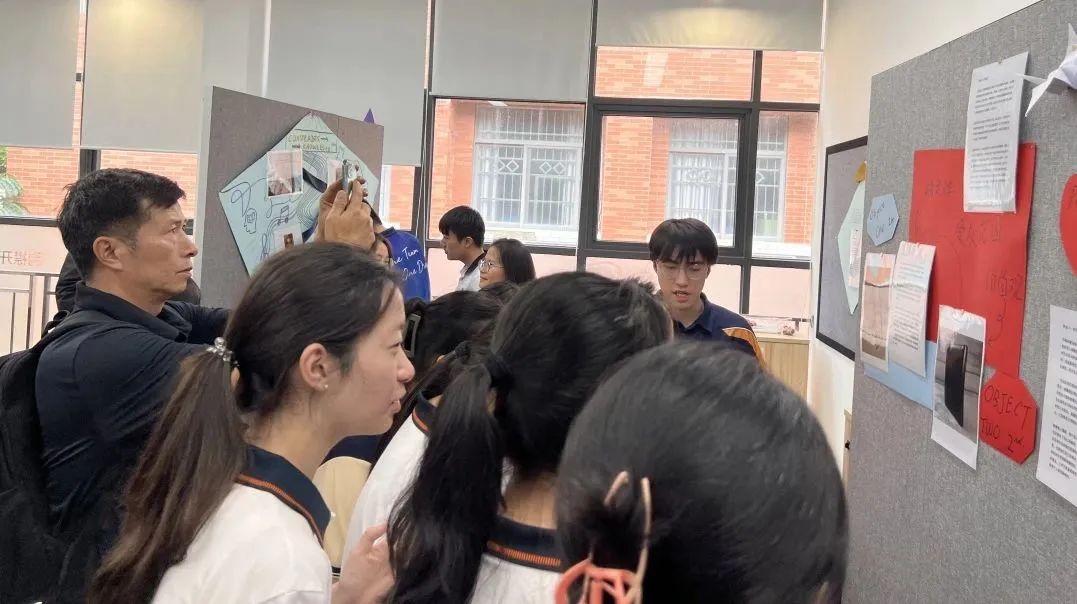
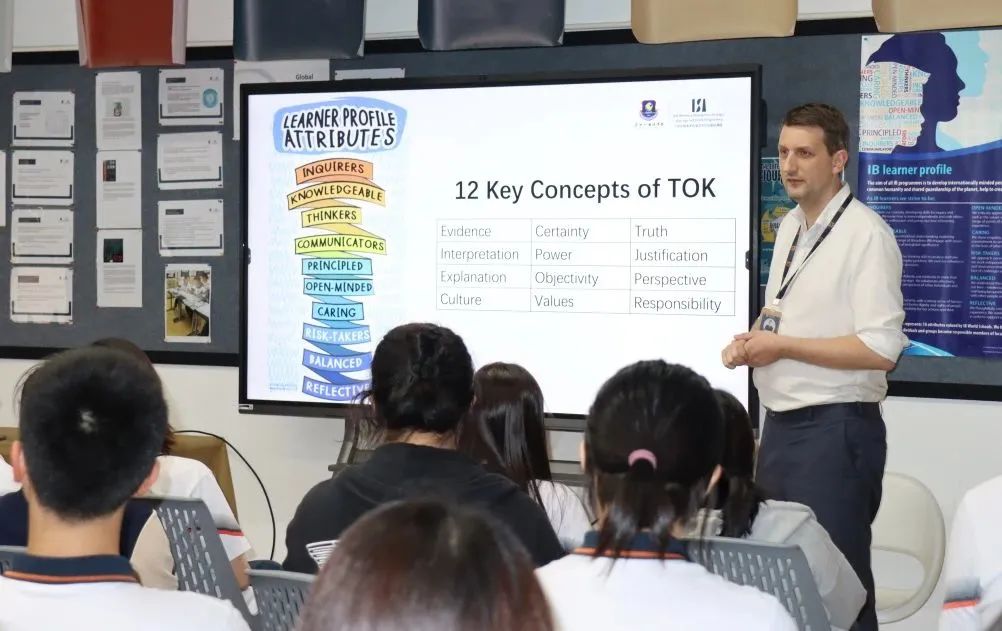
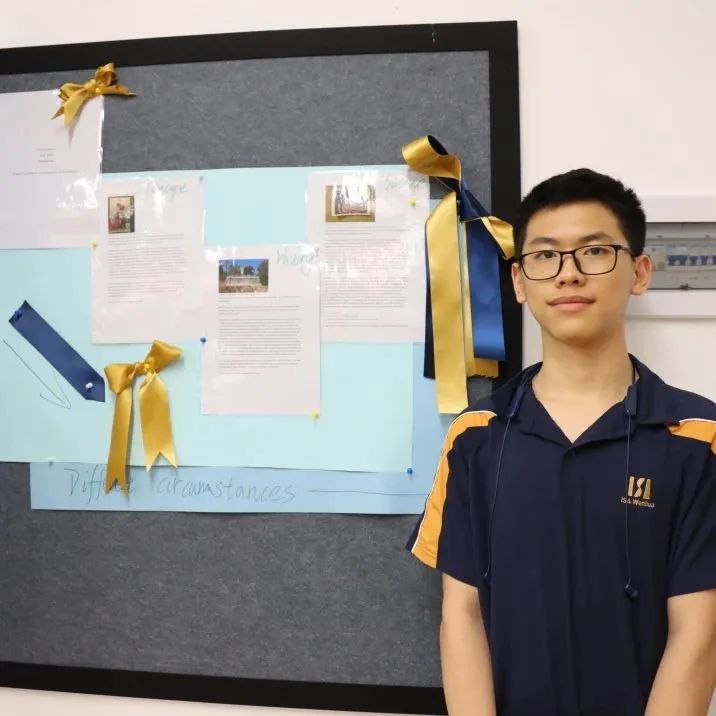
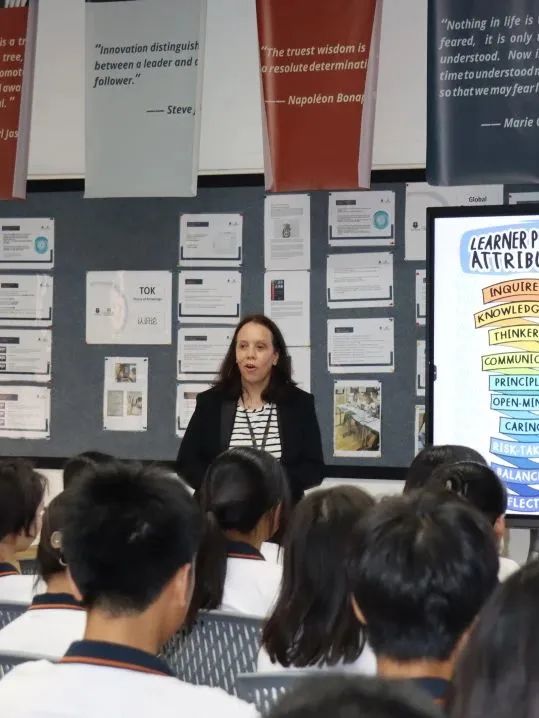
TOK is a course that is fundamentally about critical thinking and inquiry into the process of knowing rather than about learning a specific body of knowledge. In other words, TOK does not require students to learn the content of knowledge-based subjects such as language, mathematics, English, science, or arts, but rather to reflect on the knowledge they acquire from these subjects and their daily lives. Students are assessed based on their exhibition (33% of the grade) and essay (67% of the grade). Each student is required to create an exhibition comprising three objects and write a commentary based on the exhibition's theme.
As high school students, they have accumulated a large amount of subject knowledge in the classroom, and they are constantly receiving various information, beliefs, and opinions outside the classroom, but they rarely have the opportunity to think about the various issues behind the knowledge. For example, how and where does the knowledge that human beings master come from? How far can we rely on the knowledge?
TOK guides students to see from a higher perspective, to examine the endless process of human beings acquiring knowledge, to explore the methods human beings use to discover knowledge, communicate knowledge, and verify knowledge, to understand various cognitive traps and prejudices, and to recognize the structural formation and elements of existing knowledge, to encourage students to re-examine the basic subject knowledge they have learned, cultivate their curiosity to explore the world, and develop their rigorous logical thinking and critical thinking.
Through the study in TOK, students achieve the following:
Develop the habit of diligently reflecting on self-cognition;
Establish a dialectical view of all kinds of knowledge, be aware of the limitations and uncertainties of knowledge, and learn to analyse and evaluate them reasonably;
Deeply understand the significance of values, sense of responsibility and moral considerations in the construction, learning and application of knowledge;
Step out of their own narrow foothold, examine issues from multiple external perspectives, open their minds, and be open-minded. This ability is the way to survive in the context of globalization today - cross-cultural awareness;
Through the horizontal comparison of the scope, application, concept, construction method and learning method of knowledge in different fields, it helps students to consciously establish interdisciplinary connections. It helps the high school students to deepen their thinking, to actively create knowledge instead of just passively receiving knowledge, laying a solid foundation for a higher academic platform in their future.
The key competence required by TOK of learners is favoured by top universities, and it is also an essential quality today with the explosion of information and the rapid development of science and technology.


 繁体
繁体